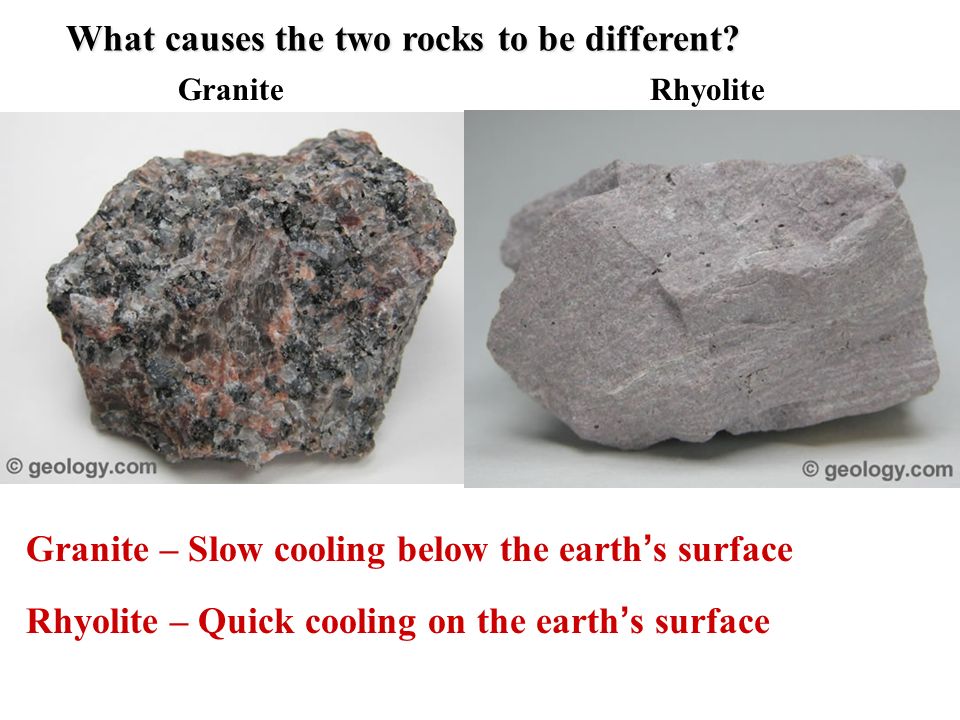
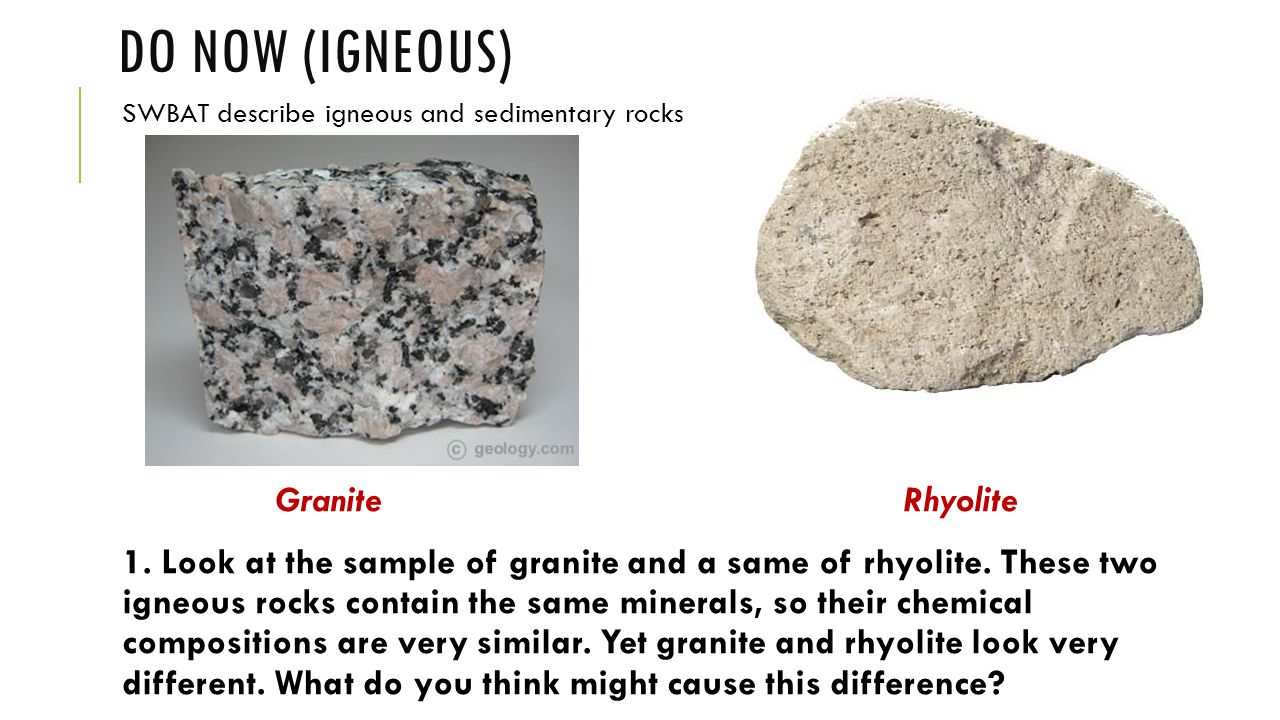
Rhyolite cools faster from magma lava than does granite which forms from slow cooling of magma deep underground.
Which cools faster rhyolite or granite.
Crystallization may sometimes have begun while the magma was deeply buried.
The hotter the magma the less viscous it is and the faster it flows.
Rhyolite cools faster from magma lava than does granite which forms from slow cooling of magma deep underground.
In such cases the rock may consist principally of well developed large single crystals phenocrysts at the time of extrusion.
Moves a little faster and makes sharp edges when it cools.
This allows crystals of the four minerals to grow large enough to be easily seen by the naked eye.
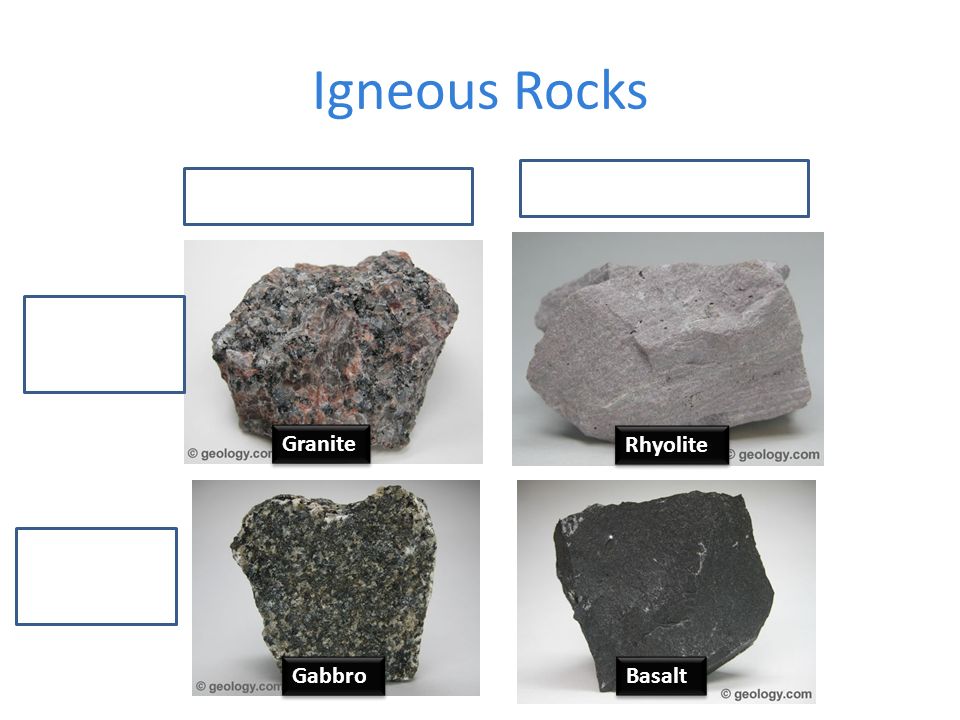
Thus we can rule out gabbro and granite because they are plutonic.
The rock received its name from german geologist ferdinand von richthofen better known as the red baron a world war i flying ace the word rhyolite comes from the greek word rhýax a stream of lava with the suffix ite given to rocks.
Then for volcanic or erupted magmas the texture of the rock is evidence of how quickly it cooled if rocks include crystals that is an indication that they cooled slowly enough to grow crystals.
Are rhyolite pumice and tuff from violent eruptions.
Earth s temperature increases with depth so the deeper an intrusion is the hotter its environment and the longer it takes for it to cool.
Knowing this we can rule out andesite and rhyolite.
Rhyolite is a silica rich igneous rock found throughout the world.
Rhyolite which cools at the surface cools much more quickly than granite which cools underground.
Granite is an igneous rock that is composed of four minerals.
Granite forms as magma cools far under the earth s surface.
The rapid cooling only allows small crystals to form.
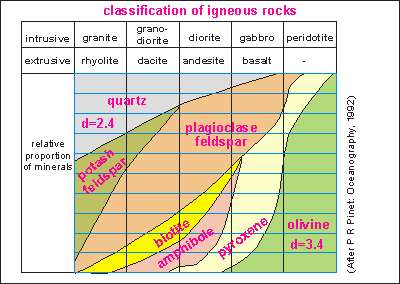
Rhyolite granite andesite diorite basalt gabbro komatite peridotite.
Why would granite have larger crystals than igneous rocks formed from.
These minerals are quartz feldspar mica and usually hornblende.
Rhyolite and basalt have aphanitic texture.
Magma moves up toward earth s surface more quickly as it cools and therefore becomes less viscous.
Volcanic ash is made of tiny fragments of jagged rock minerals and volcanic glass.
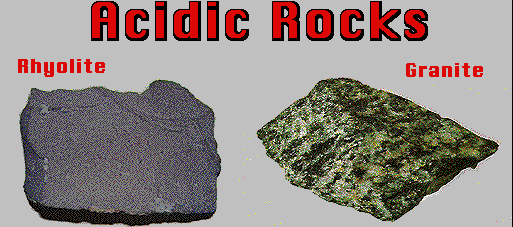
Rhyolite is similar in composition and appearance to granite but it forms through a.
Other sensible suggestions should be given credit.
Rhyolite extrusive igneous rock that is the volcanic equivalent of granite most rhyolites are porphyritic indicating that crystallization began prior to extrusion.
Ash is a.