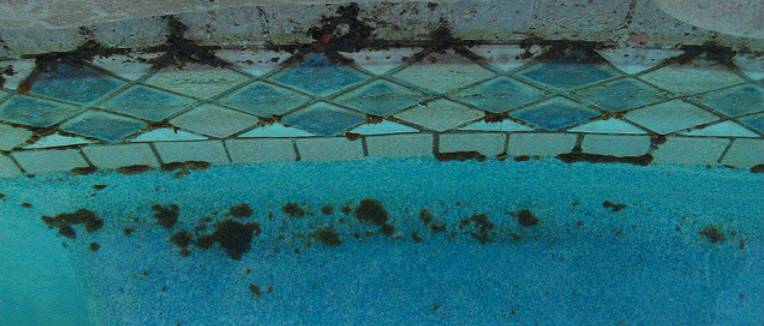
Their roots extend into the pool plaster or tile grout and unless the roots are destroyed a new head will grow back in the same place.
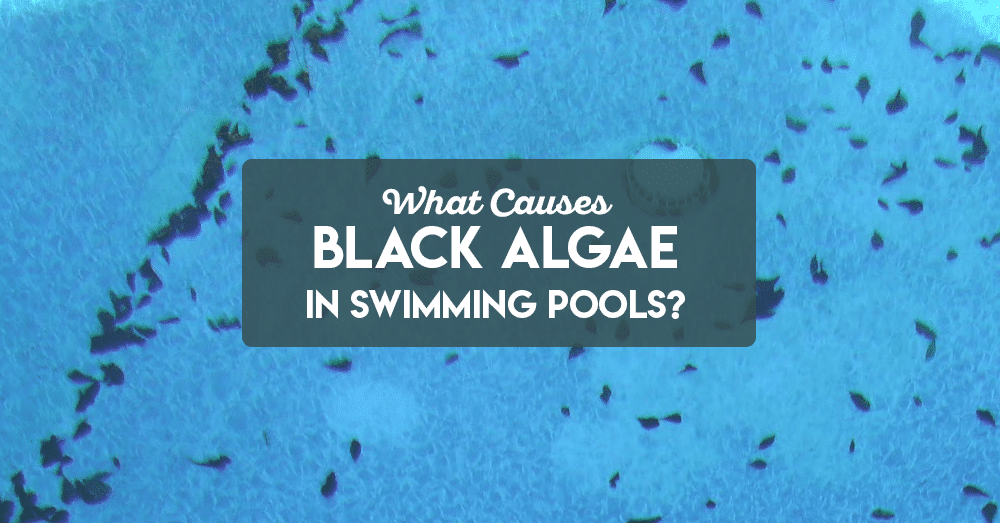
What causes black algae in pools.
The protective layer that forms on black algae makes the algae otherwise impervious to regular sanitizers so you must brush the algae to break through this layer so that chlorine and algaecides can kill the organism.
If you have black algae in your pool you have black algae in your filter.
And it s hard to get rid of because its roots grow into cracks in the cement and don t like to let go.
Following a black algae hit scrub it down four times throughout the following day.
Black algae have deep roots that work their way into.
This type of algae forms in a layered structure with the outermost layer protecting the lower layers.
Remember black algae have deep roots that can penetrate the walls of your swimming pool.
If the algae problem is extensive use a filter cleaner rather than just plain water.
If there s only a small amount of black algae in the pool you can probably get away with backwashing your pool filter for sand or de filters or rinsing the filter cartridge.
Pressure wash the surface.
Responsible pool owners brush their pools on a regular basis.
Vacuum up debris and once the problem is under control replace the filter media because black algae likes to harbor inside of filter sand and cartridge material.
None are true algae but classes of bacteria that manufacture their own food by photosynthesis.
After an encounter with algae particularly black algae you might want to replace parts in your pool.
Chlorine wash the surface.
Black algae are living growing organisms that unless taken care of quickly can overtake your pool and cause severe structural damage.
Black algae is the common name or term given to the dark blue green algae found growing on pool surfaces.
But the normal treatment for black algae.
Black algae grows in localized areas such as along one wall in the deep end in a corner or around obstacles such as steps indicates an area of poor circulation and poor sanitization.
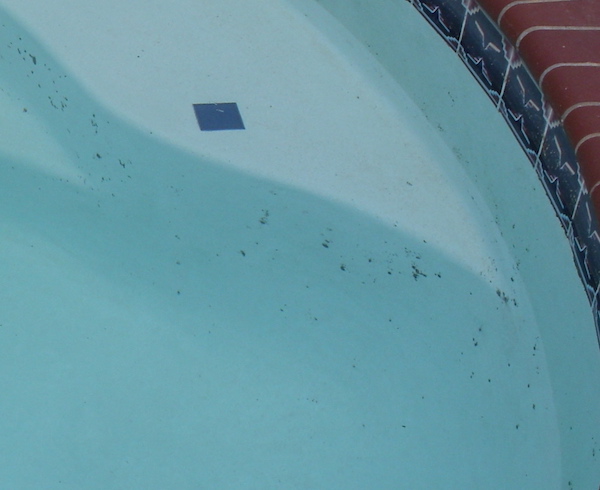
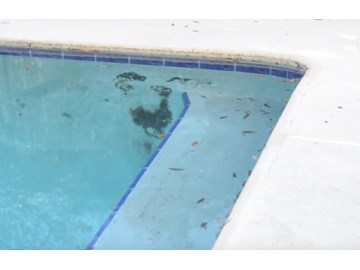
It appears as dark black spots on the walls and floor of the pool and is slippery to the touch.
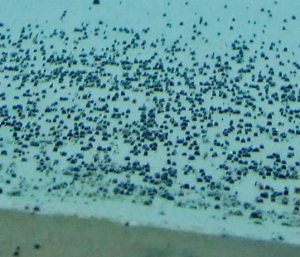
Black algae will appear as dark black or blue green spots usually the size of a pencil eraser tip up to the size of a quarter.
Drain the pool acid wash the surface neutralize and pump out waste water.
Focus on the spot where the algae first appeared and work outwards from there.
Brush daily for a week with the proper brush for your pool paying special attention to algae affected areas.
It s an example of a cyanobacterium.
Black algae is a thread like growth that develops on rough surfaces in swimming pools.
This algae may appear black in the pool but when you retrieve a sample and rub it on a piece of white paper you ll notice a greenish tinge.