On this day in 1953 cambridge university scientists james d.
Watson and crick model of dna structure biology discussion.
In 1962 they along with maurice wilkins received the nobel prize for physiology for their work.
Today our series on models of dna is concluded with a discussion of the correct structure determined by james watson and francis crick.
The dna model built by watson and crick and the accompanying paper published in nature showed how dna s base pair structure is suited for the copying of genetic material.
This model is widely accepted.
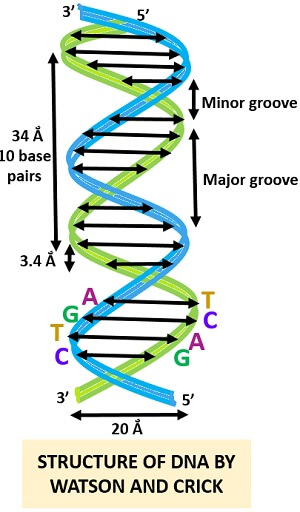
Crick 1953 combined the physical and chemical data and proposed a double helix model for dna molecule.
Crick announce that they have determined the double helix structure of dna the molecule containing human genes.
Watson and crick dna model dna stands for deoxyribonucleic acid which is a molecule that contains the instructions an organism needs to develop live and reproduce.
In fact watson and crick were worried that they would be scooped by pauling who proposed a different model for the three dimensional structure of dna just months before they did.
Although they made an unlikely pair the two men succeeded where one of the era s leading scientists linus pauling failed and in the process they unraveled the secrets of what may be the most important molecule in human history.
Watson and crick deciphered the structure of dna around 60 years ago and thus provided the key to understanding how genetic information is passed on.
In the end.
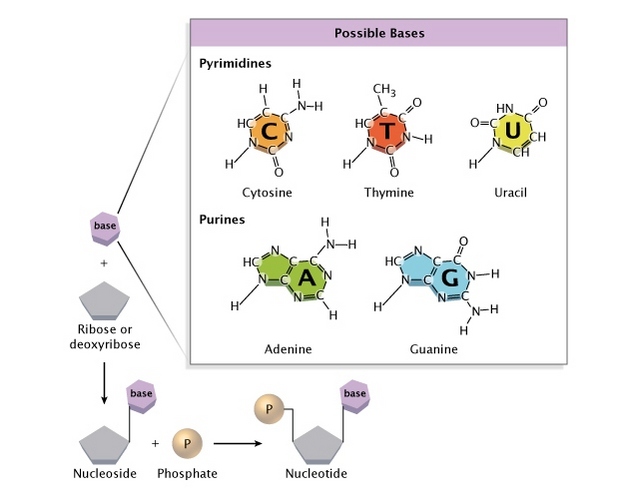
Watson and crick model of dna provides one of the best ways to demonstrate the structure of double helix dna a dna is a polymer which is composed by the combination of several monomer units refers as deoxyribo nucleotides linked by the phosphodiester bond in the discovery of dna many scientists have explicated the structure of dna its components and composition etc.
Chemically dna is a double helix of two antiparallel polynucleotide chains.
Since this discovery which laid the foundation for molecular biology new insights and developments have significantly changed many research areas and have also found their way into our everyday.
It is a type of nucleic acid and is one of the four major types of macromolecules that are known to be essential for all forms of life.
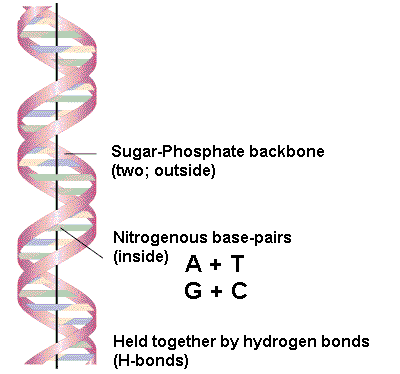
According to this model the dna molecule consists of two strands which are connected together by hydrogen bonds and helically twisted.
Dna is the largest macromolecule that represents the genetic material of the cell.
Watson and francis h c.