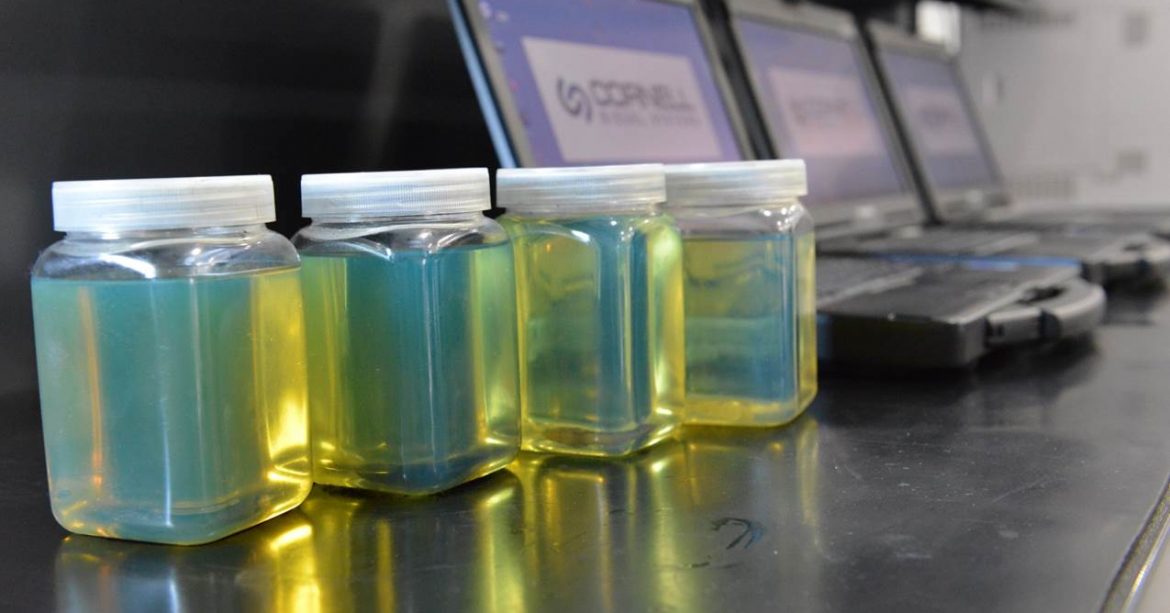
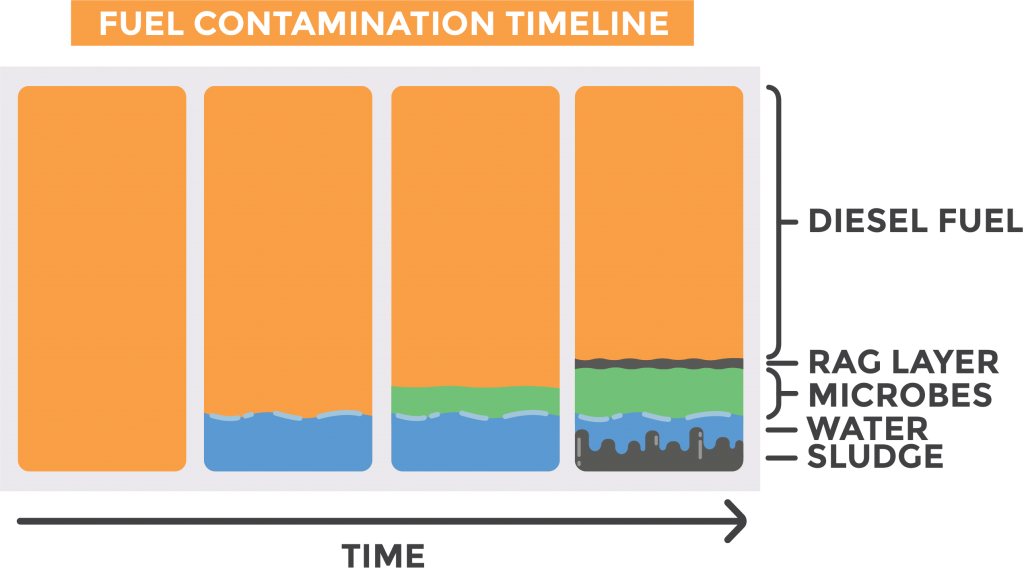
The fuel will float on the top of the water.
Water in diesel fuel effects.
Water in diesel fuel can occur for a variety of reasons with it entering fuel during transit storage or handling.
Water in diesel fuel is one of the most troubling types of contaminants and also one of the toughest to combat in large bulk fuel tanks.
Since fuel is often kept transferred and purchased out of sight contamination and build up of water in diesel fuel can be extremely difficult to spot unless it is properly tested for.
Introducing water with fuel in diesel engines has been proved to be powerful and economical method for reducing combustion pollutant emissions from the engine.
Any contaminant including water can cause costly damage.
All fuels contain some water in suspension but unlike gasoline diesel fuel is less refined and will hold a much.
In this paper results of modeling study are presented where the effect of relatively high water content in fuel has been.
Once the amount of water exceeds the maximum level for it to remain dissolved water will fall out of the fuel and form a fuel water emulsion with small water droplets suspended in the fuel.
Luckily the specialists at fppf are continuously developing new and powerful formulations to help you disperse and remove water in your fuel year round to keep your engine running in top condition.
Most studies available in literature discuss the effect of adding water to the fuel in the range 5 to 10 water.
Water contamination is one of the chief enemies of any diesel fueled equipment.
When refilled add a container of dry gas into the tank.
Dry gas mixes with the water molecules and allows the water to burn off.
Water in diesel fuel is a serious problem that should be addressed immediately.
The fuel pump in a diesel engine operates at a very high pressure and with very precise tolerances.